

The Notting Hill Carnival 2025 takes place during the August Bank Holiday weekend, with key events on Sunday 24 August (Families and Children’s Day) and Monday 25 August (Adults’ Day), while the Panorama Steel Band Competition kicks off the festivities on Saturday 23 August—a ticketed event held in Emslie Horniman’s Pleasance Park . The parade spans a roughly three-mile route, starting near Westbourne Park tube station, flowing along Great Western Road, Ladbroke Grove, Westbourne Grove, and ending around Elkstone Road within the W10–W11 postcodes . The streets are pedestrianised, with nearby access via Notting Hill Gate, Ladbroke Grove, Royal Oak, Westbourne Park, and Queensway stations—note that some may be exit-only, and expect road closures, bus diversions, and crowded public transportation . Official maps and interactive guides from the Royal Borough of Kensington & Chelsea help you locate facilities such as toilets, judging zones, and stages
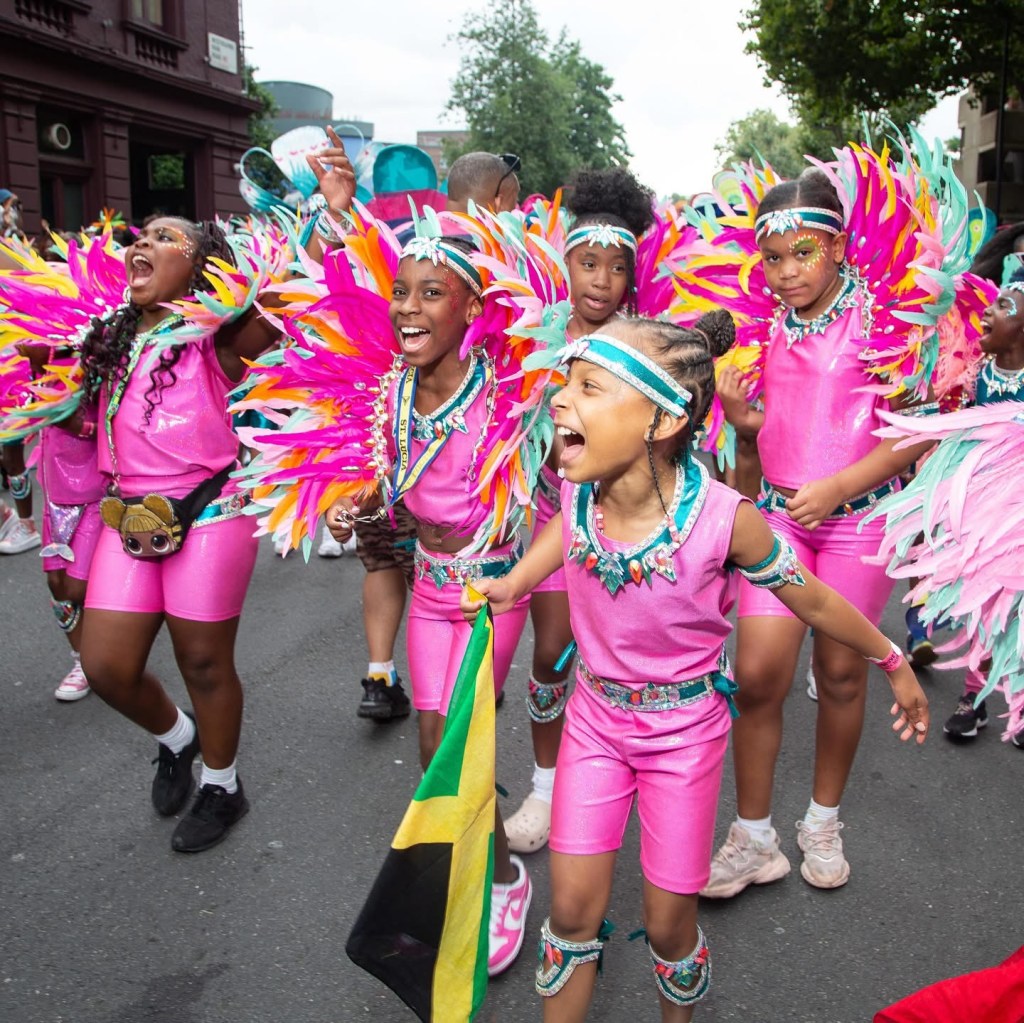
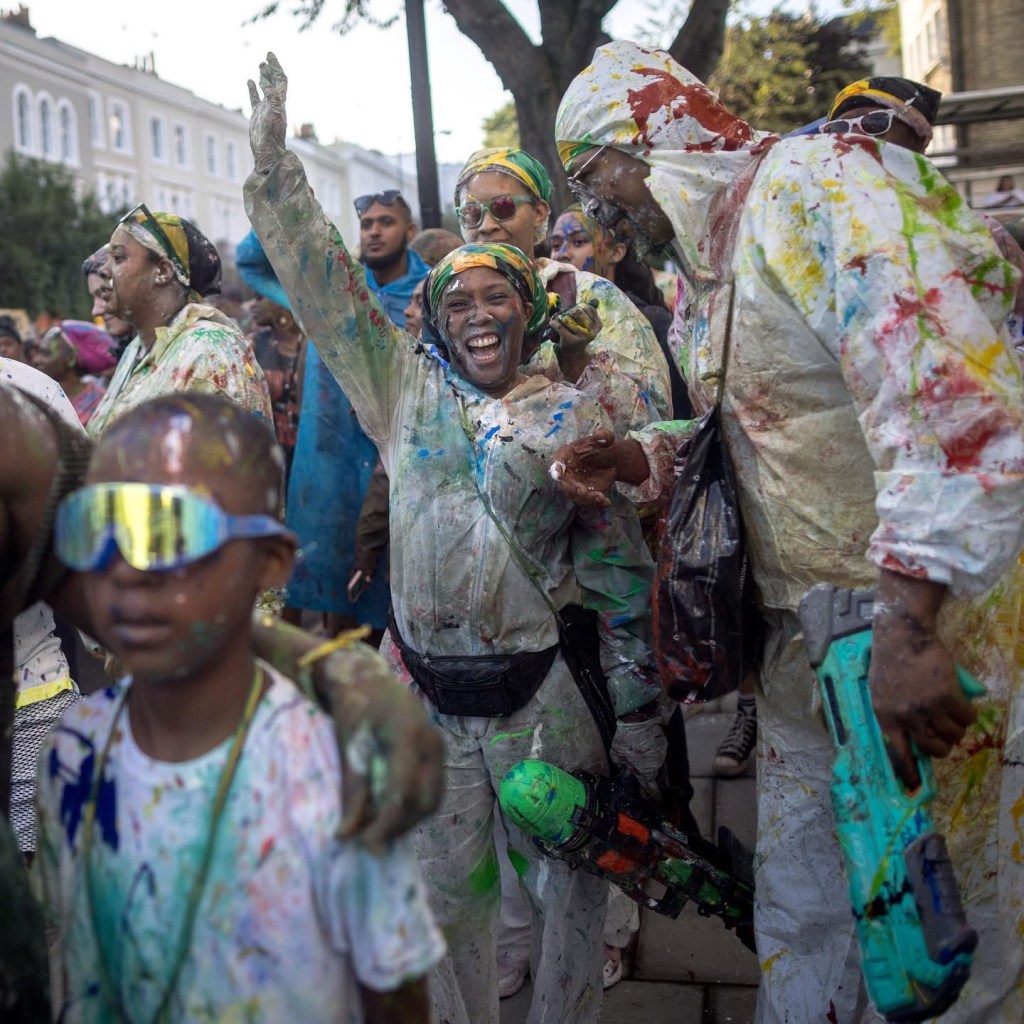
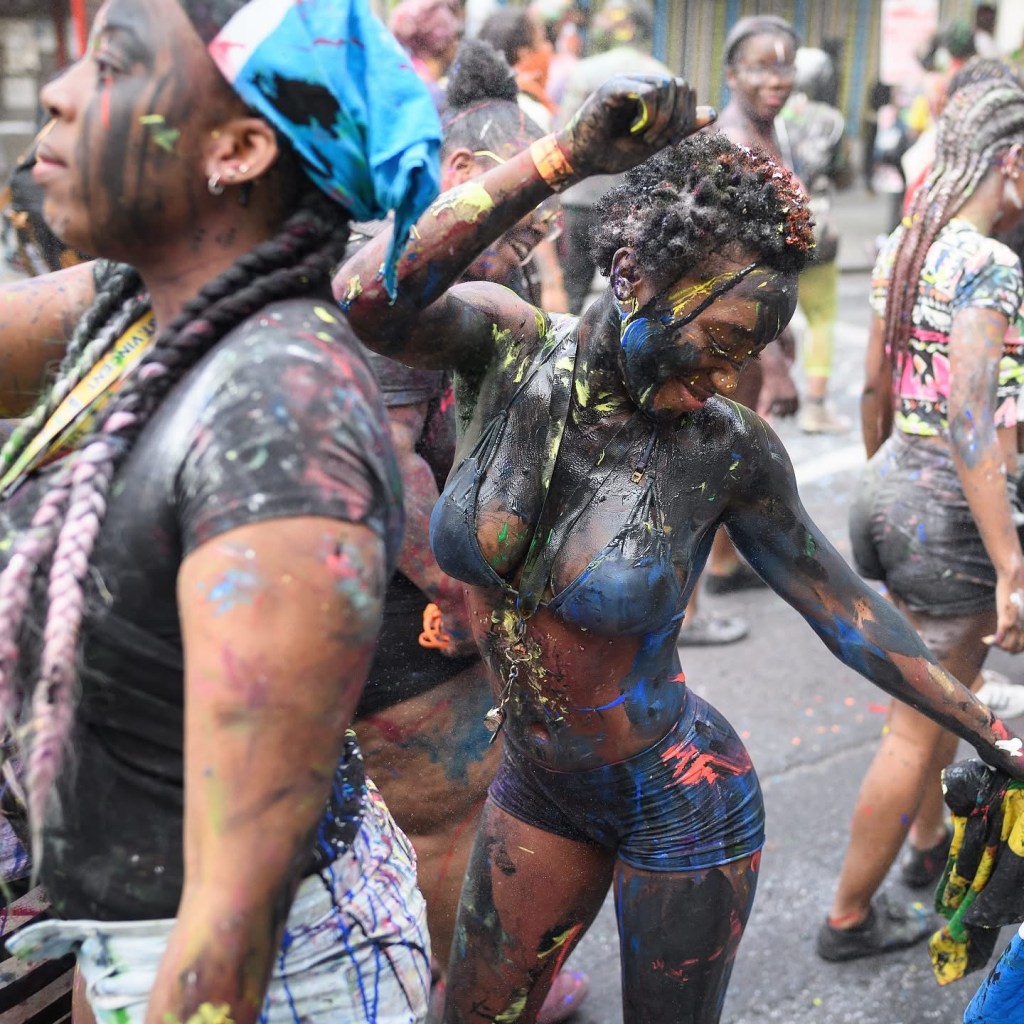
Thousands of performers contribute to the carnival’s vibrancy: costume bands, steel bands, sound systems playing soca, calypso, reggae, and more, alongside food stalls offering Caribbean fare—upwards of 50,000 performers, 30 sound systems, and over one million attendees make it Europe’s largest street festival . Families and children join through the Children’s Parade and the playful Dutty Mas and J’ouvert celebrations involving colourful paint and powder, especially lively on Sunday . Monday features the grand Adults’ Parade and judging zones; for the first time in 2025, seats in the judging zones are ticketed, giving access to a grandstand and facilities like toilets .
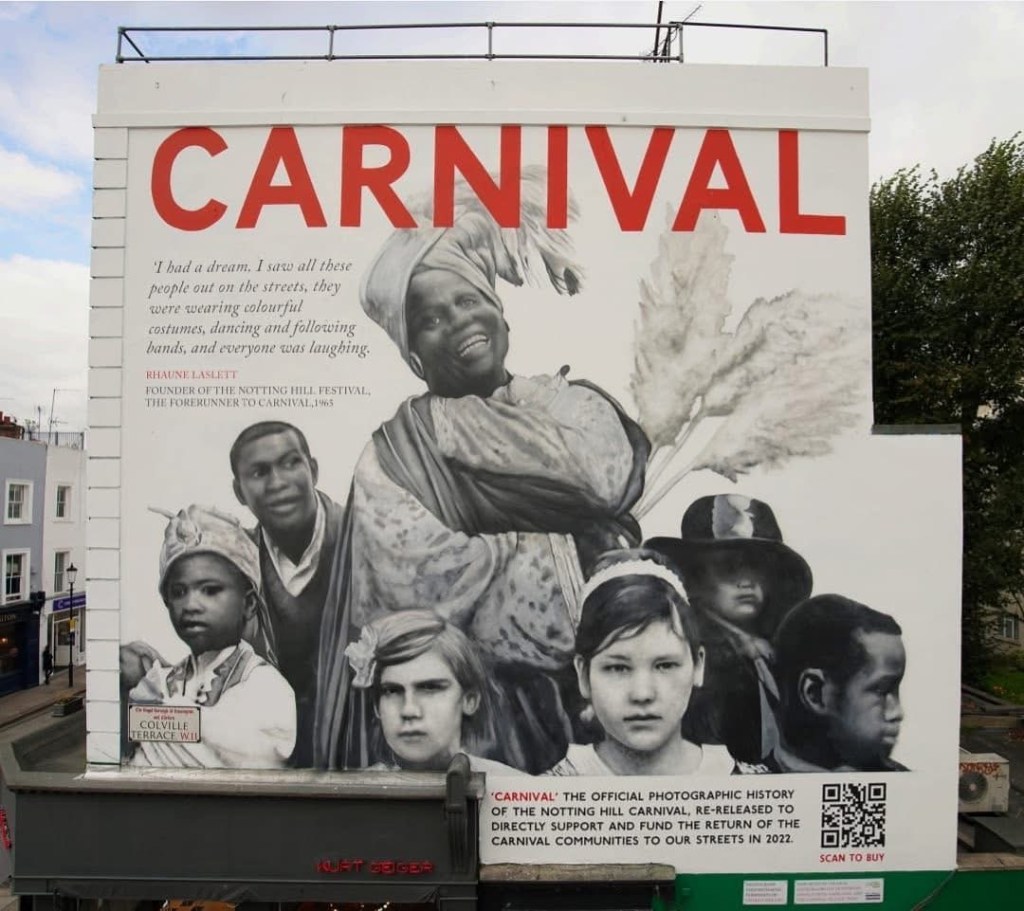
Rooted in resistance and community, the carnival first emerged from racial tensions of the late 1950s in London—including the Notting Hill race riots of 1958—and was brought to life by Trinidadian activist Claudia Jones, who initiated an indoor “Caribbean Carnival” in 1959 to build solidarity and pride . The first outdoor street carnival followed in 1966, thanks to social worker Rhaune Laslett, who sought to unify Notting Hill’s diverse community . In 1973, Leslie “Teacher” Palmer professionalised the festival: expanding it to represent all Caribbean islands, increasing participation, introducing generators, sound systems and masquerade costumes—attendance jumped from mere thousands to tens of thousands . Community voices like Frank Crichlow, whose Mangrove restaurant was a grassroots hub, also shaped the event as a site of activism and cultural affirmation .
Despite its cultural significance, the Carnival has grappled with controversy. Historically, there were violence-related incidents and clashes with police, including the 1976 street riots that inspired The Clash’s “White Riot” . More recently, the 2023 and 2024 carnivals saw multiple stabbings, murders, over 300 arrests, and attacks on police and emergency workers . In response, the Met Police introduced live facial recognition (LFR) at the carnival’s perimeter in 2025 to enhance safety—a move defended by police leadership but criticized by civil liberties groups for potential profiling and surveillance concerns . Additionally, rising costs—notably food, National Insurance contributions, and stall fees—are squeezing street vendors, forcing some to scale back or opt out entirely .
2025 brought fresh developments and challenges: Usain Bolt—on his first visit—warned that relocating or ticketing the carnival threatens its spirit and unity, and he highlighted cultural preservation amid sponsorship uncertainty . Organisers face financial strain; a leaked letter warned the carnival may be canceled unless government funding is secured to stabilize public safety infrastructure—a potential first for direct funding . Personal reflections capture the carnival’s deeper meaning: for many, it embodies cultural heritage and connection to Caribbean identity, yet threats like gentrification, underfunding, and misrepresentation endanger its future . Looking ahead, the Carnival stands at a crossroads—balancing celebration and safety, cultural legacy and modernization, under increasing economic and social pressure.
The Notting Hill Carnival is more than a festive weekend—it’s a vibrant street festival deeply rooted in Caribbean culture, born from resistance, and continuously shaped by community spirit. In 2025, it returns on 24–25 August, with a spectacular route through W10–W11, vibrant performances, family experiences, and evolving infrastructures. But beyond the joy lies a complex web of challenges—from public safety to funding, technology to identity—that will influence its future.




 Africa plus magazine
Leave a comment